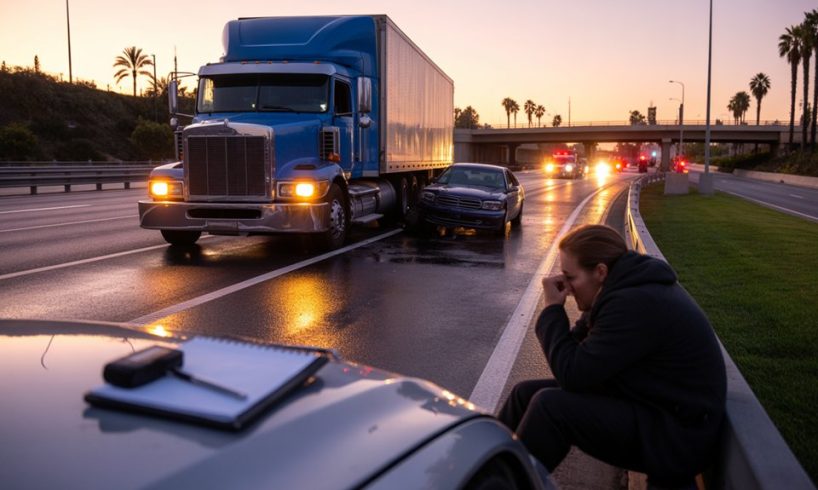
A recorded statement can feel like handing your story to someone holding a magnifying glass over every word. After an Anaheim truck crash, the insurer’s adjuster may ask questions that seem routine, but they can use your answers to chip away at your claim. You don’t need to give them that advantage. There’s a safer way to protect your case, and it starts before you say yes.
Main Points
- Adjusters can use your recorded words to reduce compensation or shift blame after an Anaheim truck crash.
- Stress, pain, and shock can make early statements incomplete, inaccurate, or inconsistent.
- Leading questions can trap you into speculation about speed, fault, injuries, or what you saw.
- Once recorded, simple mistakes and pauses can be replayed as evidence that you are unreliable.
- A truck accident lawyer can handle insurer contact, protect evidence, and prevent harmful statement traps.
Why a Recorded Statement Hurts Your Truck Accident Claim

A recorded statement can trip you up fast because insurance adjusters are trained to use your words against you.
When you speak before you know the full facts, you may lock yourself into details that later prove incomplete or wrong. That gives the insurer room to question your memory, challenge your credibility, and downplay your injuries.
You also risk sounding uncertain, even when you’re telling the truth, because pain, stress, and shock can affect how you describe the crash.
Once the call is on record, the insurer can replay it, quote it, and use it to argue for less compensation.
You don’t have to help them build that case. Protect your claim by pausing, getting legal advice, and letting your attorney control the conversation.
What Adjusters Ask to Use Against You
Even simple questions from an insurance adjuster can be designed to hurt your truck crash claim. They’ll ask who you saw, how fast you were going, and whether you felt pain right away. Those prompts sound routine, but they can pin you to a version of events before you’ve reviewed the facts.
| Question | Why it matters | Your risk |
|---|---|---|
| “Tell me what happened.” | Frames your story | You may leave out details |
| “Did you see the truck?” | Tests attention | They’ll argue you missed danger |
| “Are you okay?” | Seeks quick reassurance | They may use it to downplay injury |
You don’t need to fill in gaps or guess. Give only basic contact details, then stop. Anything more gives the adjuster words to use against you later.
How a Trucking Insurer Twists Honest Mistakes
What feels like an honest slip can become a weapon in the insurer’s hands. You may miss a date, forget a lane change, or estimate speeds a little off after a stressful Anaheim truck crash. The adjuster won’t treat those errors as normal confusion. Instead, they’ll frame them as proof that you’re unreliable, careless, or unsure about what happened.
If you say you “think” you saw the truck swerve, they may later claim you admitted doubt about fault. If you correct yourself mid-answer, they may highlight the correction and ignore the truth you meant. Even a harmless pause can be spun as hesitation. Their goal isn’t fairness; it’s leverage. One small mistake can become the excuse they use to shrink your claim and shift blame onto you.
What to Say Instead of Giving a Statement
Instead of trying to explain everything to the insurer, keep your response short and controlled. Say only that you’re checking on the crash, that you’re hurt, and that you won’t provide a recorded statement right now. You can also confirm basic facts without guessing or filling gaps. Stay calm, polite, and brief.
- “I’m not ready to discuss details.”
- “I can confirm the crash happened.”
- “Please send any questions in writing.”
That approach helps you avoid saying something inaccurate under pressure. Don’t speculate about speed, fault, weather, or injuries you haven’t fully assessed yet. If the caller pushes for more, repeat your short response and end the conversation.
You’re not being difficult; you’re protecting your own account until you can review the facts carefully and respond on your terms.
When to Let a Truck Accident Lawyer Step In
If the insurer calls first, you should let a truck accident lawyer step in before you give any recorded statement.
Your lawyer can help protect what you say and keep the record from being twisted against you.
They can also act fast to preserve crash evidence before it disappears.
Lawyer Before Insurer Calls
Before the insurance adjuster gets a chance to call, you should let a truck accident lawyer step in and take the lead. You can do this the moment the crash leaves you hurt, confused, or unsure what to say.
A lawyer can handle the first contact, gather facts, and keep the insurer from steering your case off track. That matters when you’re dealing with:
- painful injuries and medical appointments
- a damaged vehicle and missed work
- pressure from a fast-talking adjuster
If the trucking company already has a claims team, you should have skilled help beside you too. Your lawyer can explain your rights, set boundaries, and build your claim before the insurer shapes the story. In Anaheim, that early help can make all the difference.
Protect Your Recorded Statement
Once the insurer starts asking for a recorded statement, your lawyer should step in and protect what you say. You don’t need to answer quickly, and you shouldn’t guess, fill gaps, or explain away pain. A truck accident lawyer can handle the call, set boundaries, and make sure the insurer doesn’t twist your words.
| Risk | Your Move | Lawyer’s Role |
|---|---|---|
| Pressure | Pause | Take over |
| Confusion | Stay brief | Clarify facts |
| Mistakes | Don’t speculate | Guard your claim |
You can say you’ll respond through counsel, then stop talking. That simple step keeps control where it belongs: with you and your attorney. A careful response now can prevent harmful statements that the insurer may use later against your Anaheim injury claim.
Preserve Crash Evidence Quickly
In the chaotic hours after an Anaheim truck crash, evidence can disappear fast—photos get deleted, skid marks fade, vehicles are repaired, and witnesses forget details. You need to act quickly to protect your claim. Take clear photos, save damaged clothing, and write down names, phone numbers, and what you remember before details blur. If you’re too hurt, overwhelmed, or facing a trucking company investigator, let a lawyer step in right away. They can send preservation letters and secure key records before anyone alters them.
- Truck dashcam footage
- Driver logs and GPS data
- Vehicle inspection reports
You shouldn’t wait for the insurer to cooperate. Once evidence is gone, it’s hard to get back.
How to Protect Evidence After an Anaheim Crash
After an Anaheim crash, you should secure scene evidence right away by taking photos, saving witness info, and keeping any dashcam footage.
You also need to preserve medical records so you can link your injuries to the crash. Acting fast helps you protect the proof that can support your claim.
Secure Scene Evidence
Preserve the crash scene as best you can, because key evidence can disappear fast after an Anaheim trucking accident. You should photograph skid marks, broken glass, truck logos, damage patterns, traffic signals, and road conditions before anyone moves vehicles or debris. If you can, note the time, weather, and nearby cameras while the details are still fresh.
- Snap wide shots and close-ups from several angles.
- Save dashcam footage, texts, and any truck plate numbers.
- Ask witnesses for names and phone numbers.
You can also mark where the vehicles stopped and keep a simple sketch of the impact area. Don’t let an insurer rush you into giving up control of the scene before you’ve documented what happened.
Preserve Medical Records
Keep every medical record tied to the crash, because those documents help prove the full extent of your injuries and treatment. Save ER notes, imaging results, prescriptions, follow-up visits, therapy records, and bills in one secure file.
Ask each provider for complete copies, not summaries, and check that dates, diagnoses, and restrictions match your symptoms. If you miss work or need help at home, keep written proof of that too.
Don’t alter records or throw away discharge papers, even if they seem minor. Back up digital files and keep paper copies organized by provider and date.
When the insurer asks for details, your records let you show what happened, what you needed, and how the crash changed your life.
What Happens If You Already Gave a Statement
If you already gave a recorded statement, don’t panic—your case isn’t automatically lost, but that statement can still affect how the trucking company and its insurer handle your claim. You can still protect yourself by reviewing exactly what you said and stopping further contact with adjusters. A lawyer can spot mistakes, explain context, and push back if they twist your words. You should also save every document, text, and email tied to the crash.
- You misspoke about pain or timing.
- The adjuster asked leading questions.
- Your memory changed after seeing records.
Even if you answered some questions, you can build a stronger claim with medical evidence, witness statements, and crash reports. Act quickly so the insurer doesn’t shape the story for you.
Frequently Asked Questions
Can I Refuse to Speak With the Insurer Altogether?
Yes, you can refuse to speak with the insurer, and you usually should until you’ve gotten legal advice. You’re not required to protect their interests, and anything you say may be used against you later.
Does California Require Me to Give a Recorded Statement?
No, California usually doesn’t require you to give a recorded statement to the trucking insurer. You can decline, and you should talk to your lawyer first so you don’t accidentally hurt your claim.
Should I Notify My Own Insurance Company After the Crash?
Yes, you should notify your own insurer promptly. You can report the crash, share basic facts, and avoid speculating. That helps protect coverage, meet policy deadlines, and keep your claim on track.
How Soon Should I Contact a Truck Accident Lawyer?
You should contact a truck accident lawyer right away—ideally within 24 hours. The sooner you act, the faster they can protect evidence, handle insurers, and strengthen your claim before critical details disappear.
Can the Insurer Contact My Employer About the Accident?
Yes, they can contact your employer, especially to verify your job, missed work, or earnings. You should tell your employer to limit comments and direct questions to your lawyer, so you don’t hurt your claim.
See The Next Post
Like a crack in a windshield, a recorded statement can spread far beyond the first impact, turning one careless answer into damage you can’t easily mend. You don’t have to hand the trucking insurer a script to use against you. Protect your voice, keep your facts close, and let a lawyer guide the next conversation. After an Anaheim crash, careful silence can be your shield, helping you hold the line on your claim and your recovery.