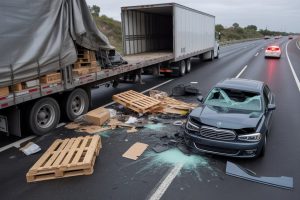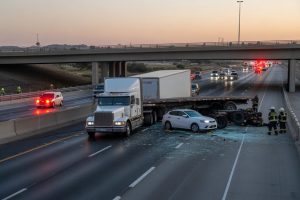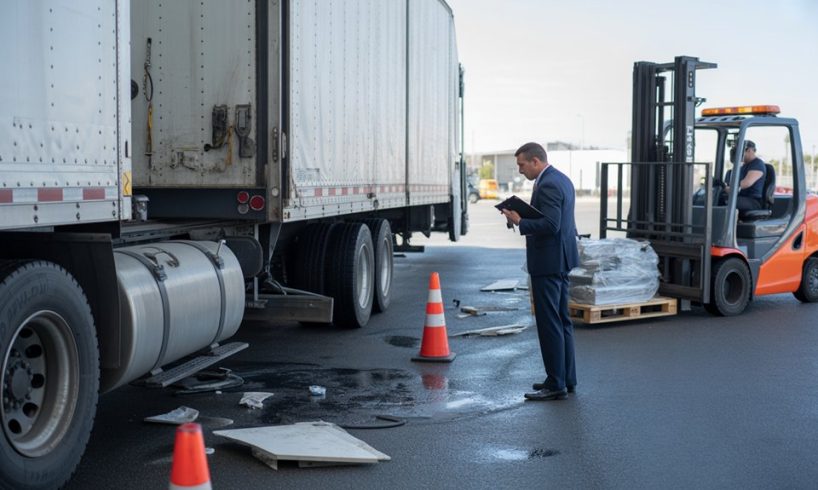
After an Anaheim truck crash, you need records, you need data, and you need answers. But companies may “lose” emails, overwrite logs, delay inspections, or route everything through counsel while key evidence disappears. A fast spoliation letter can stop routine deletion and lock down the files that matter most. Here’s how trucking companies hide evidence, what they try to hide, and what your lawyer should demand before it’s gone.
Main Points
- Trucking companies may delete emails, overwrite logs, or let digital data cycle out after an Anaheim crash.
- Critical evidence includes driver logs, GPS data, black box records, dashcam footage, and dispatch messages.
- A preservation letter puts the carrier on notice to save crash-related records and stop routine deletion.
- It should identify the date, time, vehicle, driver, and crash location to prevent excuses and ambiguity.
- If evidence is destroyed, courts can impose sanctions, adverse inferences, or other penalties against the carrier.
How Trucking Companies Hide Evidence After an Anaheim Accident
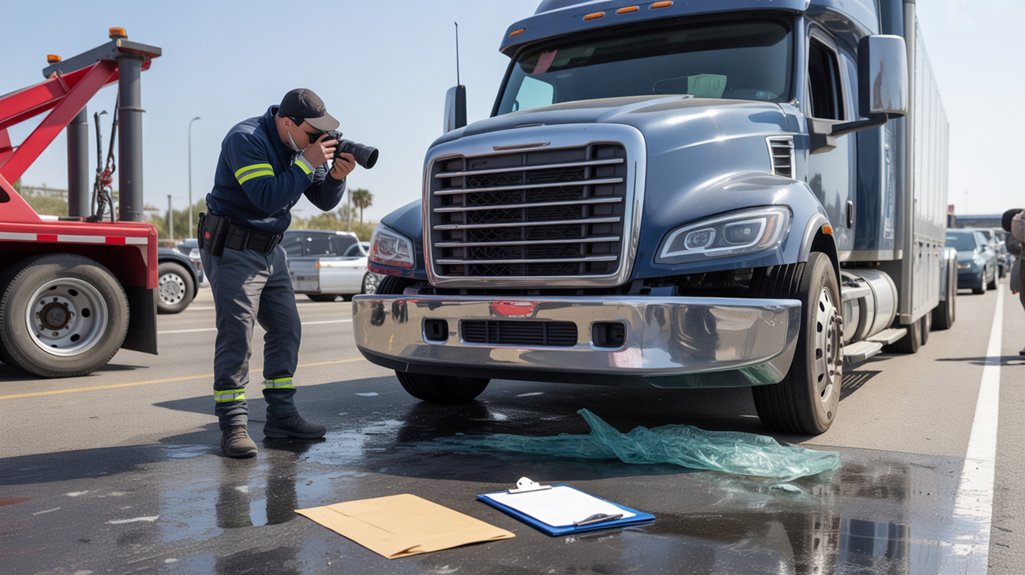
After a truck crash in Anaheim, you may assume the company will preserve the records that tell the full story, but that isn’t always the case.
If you wait, a trucking company can let key proof disappear through routine “housekeeping,” delayed retrieval, or selective internal review. You may see emails get deleted, logs overwritten, and digital data lost when systems cycle. Managers might direct drivers or staff to keep quiet, limit notes, or route questions through counsel. You can also face slow-walking, with the company promising records later while critical details drift out of reach. That’s why you need to act fast, demand preservation, and put the company on notice before evidence slips away.
What Evidence Trucking Companies Try to Lose
Trucking companies often try to make the most important evidence vanish first: driver logs, GPS data, black box information, dispatch messages, maintenance records, inspection reports, dashcam footage, and internal emails.
Trucking companies often try to make the most important evidence vanish first: driver logs, GPS data, black box information.
You may also lose bills of lading, load manifests, drug and alcohol test results, and phone records showing calls or texts before the crash.
Sometimes a company overwrites camera footage within days, “misplaces” paper files, or claims a truck was repaired before anyone inspected it.
You shouldn’t assume this happens by accident. When records disappear, you’re left fighting from behind while the trucking company controls the story.
That’s why you need to identify every source of data quickly and demand it before it’s gone. Quick action can stop destruction and preserve the paper trail.
Why Trucking Company Evidence Matters in Your Claim
That missing evidence matters because it can make or break your claim. You need trucking company records to show what happened, who caused it, and how badly you were hurt.
Driver logs can reveal fatigue, maintenance files can expose neglected brakes, and electronic data can capture speed, steering, or hard braking right before impact. When you lack that proof, the company can blame you, question your injuries, or downplay the crash.
Strong evidence also helps your lawyer connect the collision to your medical bills, lost income, and pain. It gives you leverage in negotiations and support at trial. In a trucking case, facts beat excuses, and the right records can turn a weak story into a clear, persuasive claim.
How a Spoliation Letter Preserves Key Records
A spoliation letter puts the trucking company on notice to save all evidence related to the crash, from driver logs and maintenance records to black box data, dashcam footage, and internal communications.
You use it to demand preservation of records that can prove speed, braking, hours behind the wheel, vehicle defects, loading issues, and company oversight.
It also helps prevent routine deletion, overwriting, or “lost” files that could weaken your case.
When you send a clear preservation demand, you create a paper trail showing the company knew these materials mattered. That matters because you may later show that missing evidence wasn’t accidental.
The letter won’t prove liability by itself, but it can protect essential facts and support penalties if the company destroys evidence after receiving notice.
When Should You Send a Spoliation Letter After a Crash?
Send a spoliation letter as soon as possible after the crash, ideally before the trucking company has a chance to delete, overwrite, or discard important records. You shouldn’t wait until you know every fact, because evidence can disappear in hours or days.
The sooner you act, the better you protect data from dash cams, electronic logs, GPS systems, maintenance files, and dispatch communications.
If you’re injured and can identify the carrier, send the letter right away through your lawyer. Even if you’re still gathering details, early notice puts the company on alert that it must preserve evidence.
Delay gives them more room to claim records were lost in the ordinary course of business. Quick action helps you keep control of the case and strengthens your ability to prove what really happened.
What Your Lawyer Demands in the Letter
Your lawyer’s letter should spell out exactly what the trucking company must preserve, so there’s no room to wiggle out of it later.
You want it to demand the truck, trailer, dashcam footage, electronic logging device data, GPS records, dispatch notes, inspection reports, repair files, and driver qualification records.
It should also cover cell phone data, onboard computer downloads, route logs, maintenance histories, and post-crash photos or video.
Your lawyer should identify the date, time, vehicle, driver, and location of the crash, then instruct the company to stop deleting, overwriting, or altering anything tied to the wreck.
How Trucking Companies Must Respond
Once the preservation letter arrives, the trucking company should treat it as a legal hold and stop any routine deletion, recycling, or repair that could wipe out evidence.
You should identify every person who controls records, vehicles, logs, telematics, dispatch notes, and driver files, then tell them to preserve everything connected to the crash.
You should secure the tractor, trailer, and any onboard devices, and you shouldn’t alter settings, overwrite data, or run unnecessary inspections that could change the condition of key evidence.
You should also gather backups of electronic records, including GPS data, ELD logs, dashcam footage, maintenance history, and communication records.
A prompt, organized response shows the company takes the demand seriously and helps protect the integrity of the case while giving your side a fair chance to review the facts.
What Happens If Evidence Is Destroyed
If a trucking company destroys evidence after a crash, it can face serious legal consequences, including court sanctions, fines, and limits on its ability to defend the case.
You may see the court assume the missing evidence would’ve hurt the company’s position, which can strengthen your claim. Judges can exclude testimony, strike defenses, or instruct a jury to draw negative inferences.
If key records like driver logs, black box data, maintenance files, or dashcam footage disappear, you lose proof that could show fault, hours violations, or mechanical problems.
Destroying evidence also raises credibility issues and can trigger cost-shifting or other penalties.
In serious cases, the company’s conduct can damage settlement leverage and make trial risk much higher.
How an Anaheim Truck Accident Lawyer Protects Evidence
An Anaheim truck accident lawyer moves quickly to lock down critical evidence before it disappears. You get immediate help preserving logs, dashcam footage, black box data, maintenance records, and driver communications. Your lawyer sends preservation demands, inspects the wreck scene, and works with experts to document skid marks, debris, and vehicle damage before crews clear them.
| Evidence | Protection |
|---|---|
| ELD logs | Stop deletion |
| Video footage | Secure copies |
| Truck parts | Expert inspection |
| Witness statements | Record early |
You also gain pressure against insurers who want to delay. Your lawyer tracks deadlines, confirms every request in writing, and keeps a chain of custody intact. That way, you build a case from reliable proof, not missing files or damaged memory.
Frequently Asked Questions
Who Can Issue a Spoliation Letter After a Truck Crash?
You, your lawyer, or a legal representative can issue a spoliation letter after a truck crash. It tells the trucking company to preserve evidence, and you’ll strengthen your claim by sending it quickly.
Does a Spoliation Letter Cost Anything to Send?
Usually, you can send a spoliation letter for little or no cost if you draft it yourself, but you might pay attorney fees or mailing costs if you want it sent properly and promptly.
Can I Request Evidence Before Filing a Lawsuit?
Yes—you can request evidence before you file, but they’re not always required to give it. Send a preservation letter now; it helps protect records, while a lawsuit later can force stronger disclosure.
How Long Must Trucking Companies Keep Crash-Related Records?
You can often demand crash-related records for at least one year, but some logs, inspection records, and electronic data may disappear sooner unless you act fast and send a preservation letter immediately.
Can Evidence Preservation Apply to Third-Party Repair Shops?
Yes—evidence preservation can reach third-party repair shops. Like locking a toolbox before a storm, you can demand they save damaged parts, photos, and records; one missing bolt can still tell your story in court.
See The Next Post
If you were hit by a truck in Anaheim, don’t let the evidence slip away. Trucking companies move fast to delete, overwrite, and “clean up” records, so you need to act even faster. Send a spoliation letter right away and make them preserve everything. As the old saying goes, “the early bird catches the worm.” When you protect the proof, you protect your claim—and give yourself a stronger shot at fair compensation.