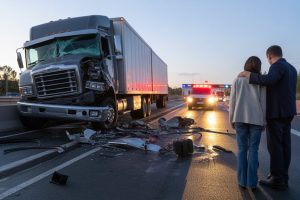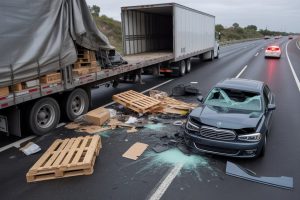
If you’ve been hurt in a jackknife or underride crash on the 5 or 91, you may be dealing with more than a routine truck accident. These wrecks can leave you with serious injuries, disputed fault, and time-sensitive legal issues that aren’t always obvious at first. Before you move forward, it helps to know what causes these crashes, who may be responsible, and what evidence can make or break your claim.
Main Points
- Jackknife crashes often happen on the 5 and 91 Freeways after hard braking, speeding, sharp turns, or slippery road conditions.
- Underride accidents can occur when cars slide beneath trailers because of low visibility, poor clearance, or sudden rear-end impacts.
- Severe injuries may include crushing trauma, broken bones, internal injuries, emotional distress, and long-term disability.
- Preserve evidence like photos, dashcam footage, witness statements, police reports, black box data, and medical records.
- Multiple parties may be liable, including the driver, trucking company, cargo loader, maintenance provider, or manufacturer under California law.
What Causes 5 and 91 Freeway Jackknife Crashes?
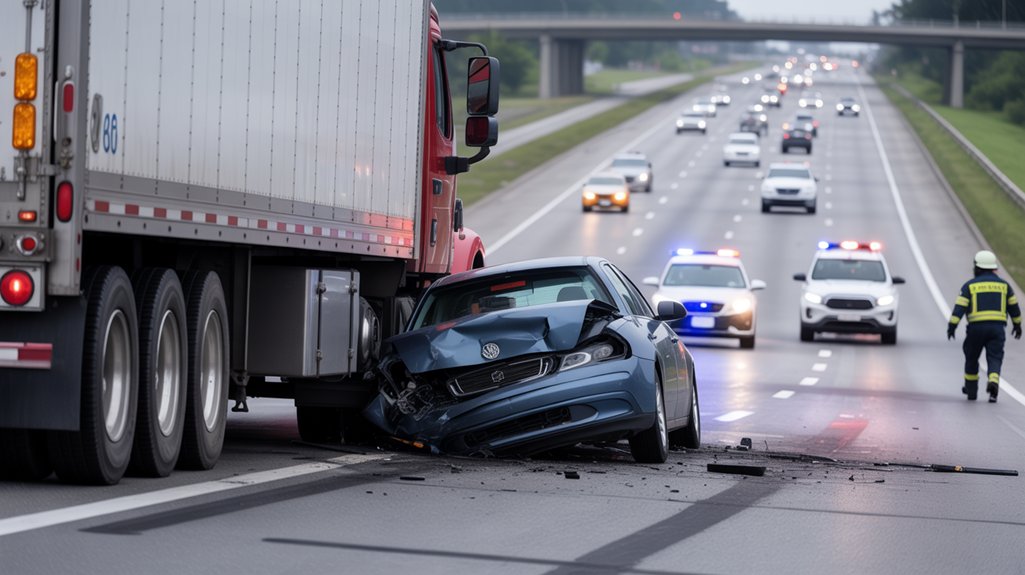
Jackknife crashes on the 5 and 91 freeways often start when a truck driver brakes too hard, loses traction, or makes a sudden steering correction.
You can also see them when a trailer carries uneven weight, a tire blows out, or slick pavement reduces grip.
If the driver speeds, follows too closely, or takes a curve too fast, the trailer may swing out and fold toward the cab.
Wind gusts can make that motion worse, especially on busy Anaheim corridors with heavy traffic and fast merges.
When you’re driving near a truck, remember that sudden lane changes or stop-and-go traffic can trigger a loss of control.
These crashes often happen fast, leaving little room for anyone nearby to react.
How Underride Accidents Happen on Anaheim Freeways
On Anaheim freeways, you can end up in an underride crash when a truck leaves a dangerous clearance gap and your vehicle slides underneath it.
Sudden braking can make that risk worse, especially when traffic changes fast and you can’t stop in time.
If a trailer’s guard fails, it may not block impact the way it should, raising the chance of severe injury.
Truck Clearance Gaps
A small gap can become a deadly trap when a car slides under a truck’s trailer on Anaheim freeways. You face this danger when a trailer sits higher than your hood can protect. Poorly marked, worn, or missing guards leave open space that invites underride. If you’re driving low at night, you may not see the edge until it’s too late.
- A raised trailer can expose your windshield area.
- Weak rear guards can fail to stop intrusion.
- Side gaps can let smaller vehicles slip beneath.
- Dim lighting can hide the trailer outline.
- Better truck maintenance can reduce this risk.
You can help by staying alert near large rigs, watching vehicle spacing, and reporting unsafe equipment. Victims often suffer crushing injuries, even in brief impacts.
Sudden Braking Risks
Sudden braking can turn a safe following distance into a deadly underride in seconds on Anaheim freeways. When a truck ahead slams on the brakes, you may not have enough time to react, especially in stop-and-go traffic on the 5 or 91. If you’re following too closely, your vehicle can slide beneath the trailer before you can steer away or stop.
Wet pavement, distracted driving, and heavy traffic make the danger worse by shortening your reaction window and increasing stopping distance. You can reduce risk by staying far back, watching brake lights, and scanning several vehicles ahead for slowdown patterns. If traffic starts compressing, ease off the accelerator early and leave room to brake smoothly. That extra space can keep you out of an underride crash and protect your life.
Trailer Guard Failures
Sometimes the weakest link in a trailer is the guard meant to stop a car from sliding underneath. When that guard bends, breaks, or sits too high, you can strike the trailer frame instead of stopping safely. On the 5 and 91 Freeways, that failure can turn a crash into a deadly underride in seconds. You may face crushed roofs, trapped legs, and severe trauma even at moderate speeds.
- Weak guards can’t absorb impact.
- Poor maintenance lets rust spread.
- Bad loading can raise the trailer rear.
- Defective designs leave gaps.
- A hard rear-end hit can override protection.
If you were injured, inspect the trailer, preserve photos, and ask whether the guard met safety rules.
Why These Truck Crashes Cause Severe Injuries
When a truck jackknifes or an underride crash happens, you’re facing crushing impact forces that can trap or crush you in seconds. You’re also vulnerable to blind spot collisions, where the truck driver may not see your vehicle before impact.
In a freeway pileup, one crash can quickly trigger multi-vehicle collisions that make your injuries far worse.
Crushing Impact Forces
Crushing force is what makes jackknife and underride collisions so devastating on freeways. When a truck folds or a car slides beneath a trailer, your body absorbs energy far beyond normal limits. You can’t brace for that kind of impact, and metal often collapses into the passenger area. That’s why these crashes can cause broken bones, head trauma, chest injuries, and internal bleeding.
- Heavy trucks transfer massive momentum into smaller vehicles.
- Sudden stopping turns speed into destructive pressure.
- Roofs, doors, and dashboards can cave in.
- Your seat belt can’t stop all crushing damage.
- Even low-speed impacts may cause severe harm.
If you’re hurt, get medical care right away and document every injury.
Blind Spot Collisions
Blind spots on tractor-trailers can hide a car, motorcycle, or smaller truck from the driver’s view, and that delay can turn an ordinary lane change or merge into a violent collision.
If you’re beside or just behind a rig on the 5 or 91 Freeway, the driver may not see you before drifting over. When a truck clips your vehicle, the size difference can crush doors, shear off panels, and push you into a guardrail or another lane.
You may suffer broken bones, head trauma, spinal injuries, or internal bleeding even at moderate speeds. Because truck drivers sit high above traffic, you should assume they can’t spot you unless you’re clearly ahead. Stay out of no-zones, pass quickly, and leave extra space.
Multi-Vehicle Pileups
A blind spot crash can do more than hit one vehicle—it can trigger a chain reaction across several lanes.
When a truck jackknifes or underrides another vehicle, you may face sudden impacts from behind, beside, or ahead as drivers swerve and lose control.
On the 5 and 91 Freeways, dense traffic gives you little room to escape.
These pileups often involve high speeds, multiple points of collision, and crushing forces that make injuries worse.
- You may get hit twice or more.
- Debris can strike your car.
- Other drivers may not stop in time.
- Emergency access can be delayed.
- Liability often gets harder to prove.
If you’re trapped in a pileup, document everything and get medical care right away.
Who May Be Liable After a Truck Collision?
After a jackknife or underride crash, liability may fall on more than one party, depending on what caused the collision. You might hold the truck driver responsible if speeding, fatigue, distraction, or unsafe lane changes triggered the wreck.
The trucking company could share fault if it pushed unsafe schedules, skipped training, or failed to maintain the rig. A cargo loader may be liable when shifting freight makes the trailer swing or tip.
If a brake defect, tire failure, or underride guard problem contributed, the manufacturer or maintenance provider may also owe you damages. In some cases, another motorist’s reckless move sets off the chain reaction.
You don’t have to sort out fault alone; California law lets you pursue every responsible party.
What Evidence Helps Prove Fault in Truck Accidents?
Strong evidence can make or break a truck accident claim, and the most useful proof often comes from the crash itself. You should gather it fast because vehicles get moved and data can disappear.
Strong evidence can make or break a truck accident claim, so gather it fast before vehicles move and data disappears.
- Photos of skid marks, damage, and road debris
- Dashcam or nearby traffic-camera footage
- Witness names and short statements
- The truck’s electronic logging and black box data
- Police reports, tow records, and repair estimates
These records help show speed, braking, lane position, and whether the driver ignored traffic conditions. You can also use medical records to link your injuries to the collision. The clearer the evidence, the easier it’s to show what happened and who caused the wreck.
How California Law Affects Your Injury Claim
Once you’ve gathered the evidence, California law becomes the framework that decides how much you can recover and who may have to pay. You must show duty, breach, causation, and harm, and trucking rules can strengthen your case. California uses comparative fault, so your recovery can drop if you share blame. Strict filing deadlines also matter, and missing them can end your claim. Federal trucking regulations can help prove negligence, but California courts still apply state rules to your case.
| Rule | Why it matters |
|---|---|
| Comparative fault | Reduces your recovery |
| Filing deadlines | Protects your right to sue |
| Negligence | Defines legal responsibility |
| Trucking regulations | Support fault arguments |
| Court procedure | Guides your claim |
What Compensation Can Anaheim Victims Recover?
Recovery after a jackknife or underride crash can include several kinds of damages, and the goal is to make you whole for what the wreck took from you.
You may recover payment for medical bills, future treatment, lost wages, reduced earning ability, and vehicle repair or replacement.
You can also seek compensation for pain, emotional distress, and the loss of daily enjoyment that follows a serious freeway collision.
If your injuries keep you from working or caring for family, those losses matter too.
- Emergency care and surgery
- Ongoing rehabilitation and medication
- Income you’ve already lost
- Long-term disability or scarring
- Physical pain and mental suffering
How a Truck Accident Lawyer Can Help
Getting full compensation after a jackknife or underride crash often depends on how well the claim is built, and that’s where a truck accident lawyer can help.
You’ll have someone who investigates the crash, preserves black box data, reviews driver logs, and identifies every liable party, from the trucker to the carrier, cargo loader, or maintenance company.
Your lawyer can handle insurers, push back on low offers, and calculate losses that include medical bills, lost income, future care, and pain.
If you’re facing severe injuries, your attorney can also work with experts to prove fault and strengthen your case.
With legal support, you can focus on healing while someone fights for the compensation you deserve.
Frequently Asked Questions
How Long Do I Have to File a Truck Accident Claim?
You usually have two years from the crash to file a truck accident claim in California, though shorter deadlines can apply. Don’t wait, because evidence fades fast and insurance companies move quickly.
Should I See a Doctor Even if My Injuries Seem Minor?
Yes, you should see a doctor even if your injuries seem minor. You might have hidden injuries, and prompt treatment protects your health, creates records, and strengthens any future claim if symptoms worsen.
Can I Still Recover Compensation if I Was Partially at Fault?
Yes, you can still recover compensation if you were partially at fault. Think of fault like a split beam: your share may reduce payment, but it doesn’t erase your claim under comparative negligence.
What Should I Do Immediately After a Jackknife or Underride Crash?
You should call 911, get to safety, and seek medical care right away. Then you’ll document the scene, gather witness information, and avoid admitting fault. Finally, contact a lawyer before speaking to insurers.
Will My Case Likely Settle or Go to Trial?
Your case will probably settle, but you can’t count on it. Strong evidence, clear liability, and fair damages often push insurers to settle; if they don’t, you’ll need to prepare for trial.
See The Next Post
On the 5 and 91, one minute you’re caught in a blur of steel, and the next you’re facing pain, bills, and uncertainty. But while a jackknife or underride crash can upend your life, it doesn’t have to define your future. If you act quickly, preserve evidence, and get legal help, you can push back against negligence and protect your claim. You’ve got rights, and you deserve answers, accountability, and recovery.