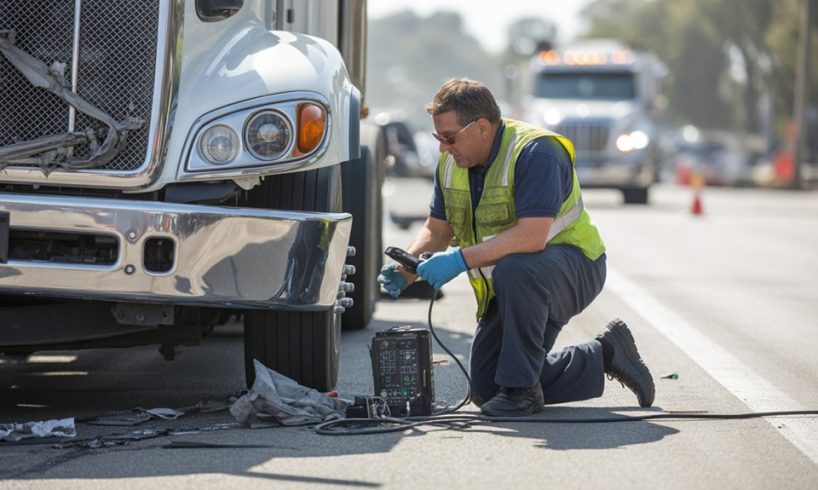
If you’re dealing with a big rig crash in Anaheim, the truck’s ECM can tell a story the driver may not want heard. It may log speed, braking, throttle, and engine activity in the moments before impact, giving attorneys a way to test claims against hard data. But getting that information quickly and preserving it properly can make all the difference, and the details aren’t always as simple as they seem.
Main Points
- ECM data records speed, braking, throttle, RPM, and other crash-critical actions seconds before impact.
- Anaheim attorneys use ECM evidence to reconstruct events and compare them with skid marks, damage, and witness statements.
- The data can show speeding, late braking, sudden acceleration, or failure to stop, helping prove negligence.
- Quick preservation is vital because routine repairs or downloads can overwrite data, so letters and court orders may be needed.
- ECM evidence has limits, including missing data, calibration errors, and faulty downloads, so expert analysis is essential.
What Is ECM Evidence in Truck Crashes?
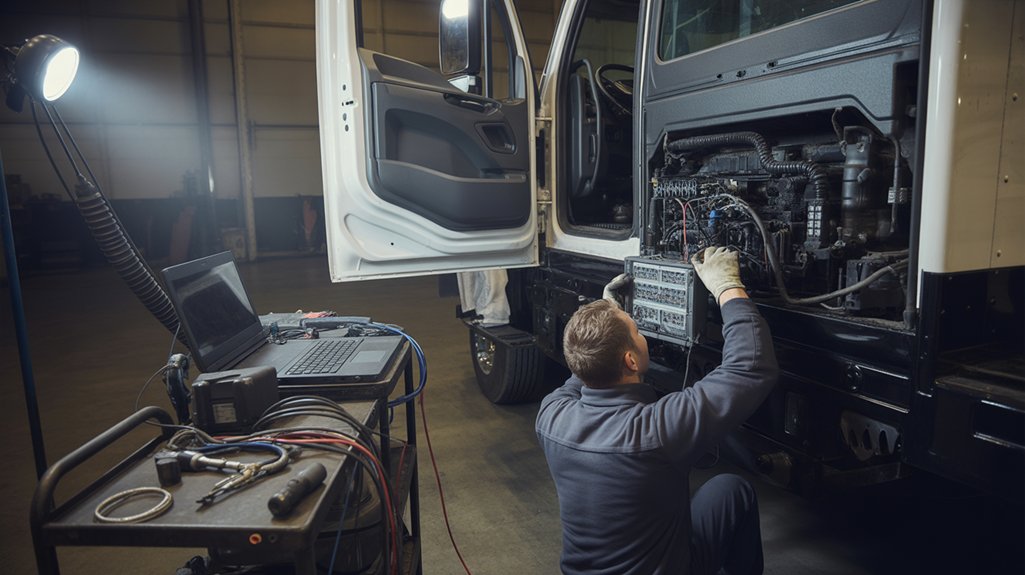
The truck’s electronic control module, or ECM, records key operating data that can help explain how a crash happened. You can think of it as a digital witness inside the rig. When a collision occurs, your attorney may use ECM evidence to reconstruct speed, braking, engine response, and driver actions just before impact.
This data can challenge a trucking company’s story or support your claim with objective proof. Because the information comes from the vehicle itself, you don’t have to rely only on memories or conflicting statements. Your legal team can compare ECM findings with skid marks, damage patterns, and witness accounts. If the numbers show risky driving or late braking, you gain powerful leverage in negotiations or court.
What Data the Truck’s Black Box Stores
Truck black box data can capture much more than just speed, giving your lawyer a detailed snapshot of what happened before, during, and after impact.
Truck black box data captures more than speed, revealing a detailed snapshot of the moments before and during impact.
You might see throttle position, brake use, engine RPM, and vehicle speed changes in the seconds before a crash.
The ECM can also log gear selection, cruise control status, clutch activity, and whether the driver hit the brakes hard or not at all.
Some systems record fault codes, engine hours, idle time, and sudden deceleration.
Together, these details help show how the truck was being driven and whether mechanical problems may have played a role.
When you understand what’s stored, you can better see how this digital record supports your claim and challenges a trucking company’s version of events.
How Anaheim Attorneys Secure ECM Data
Getting ECM data fast often makes the difference between a strong claim and a missing record. You should act quickly after the crash and have an Anaheim attorney send a preservation letter to the trucking company, insurer, and any maintenance provider. That notice tells them not to alter, overwrite, or destroy the module’s information.
Your lawyer can also request an inspection, coordinate with qualified experts, and, when needed, seek a court order to stop delays. Attorneys know these devices can be reset during routine service or data downloads, so they move before that happens. They’ll also document the chain of custody, making sure each transfer stays traceable and defensible. By securing the record early, you reduce the risk of gaps, tampering, or lost evidence.
How ECM Evidence Proves Driver Negligence
ECM data can reveal whether a driver was speeding, braking late, accelerating too hard, or ignoring a stop before impact. You can use that timeline to connect the driver’s actions to the crash and show that they failed to use reasonable care.
ECM data can show speeding, late braking, or ignored stops before impact, revealing a driver’s failure to use reasonable care.
If the record shows a sudden drop in speed only after a hazard appeared, you can argue they reacted too late. If it shows steady acceleration through a known danger zone, you can point to poor judgment.
You can also compare the truck’s movement with traffic signals, road conditions, and eyewitness accounts to strengthen your case. This objective data helps you move beyond guesswork and prove negligence with facts.
In settlement talks or court, that evidence can make your claim far more persuasive and precise.
What Can Undermine Black Box Evidence
Even strong black box data can lose force if it’s incomplete, altered, or taken out of context. You should watch for missing time stamps, gaps in speed logs, or a device that wasn’t properly preserved after the crash. If the ECM received damage, power loss, or a faulty download, the numbers may not tell the full story.
Calibration errors, sensor failures, and conflicting maintenance records can also weaken the evidence. You can’t rely on raw data alone when another driver’s actions, road conditions, or cargo shifts may have influenced the wreck. Skilled opposing counsel may challenge chain of custody or argue the data reflects only one moment before impact. That’s why you need context, expert review, and supporting records to defend or attack the black box effectively.
Frequently Asked Questions
How Long Is ECM Data Typically Retained After a Crash?
ECM data’s typically kept only briefly, often days to months, unless you act fast. You should request it immediately after a crash, because some systems overwrite or lose records quickly.
Can ECM Data Be Altered or Erased Remotely?
Usually, you can’t alter or erase ECM data remotely; about 95% of commercial truck ECMs need physical access or specialized tools. You should act fast, because some systems overwrite or lose data during repairs.
Who Owns the Truck’s Black Box Data After a Collision?
Ownership usually depends on the truck and contract, but you’ll often find the carrier, fleet owner, or leasing company controls it. You can still request preservation, and your attorney can subpoena access after a collision.
Does ECM Evidence Help if Multiple Vehicles Were Involved?
Yes—ECM evidence can help you untangle multi-vehicle crashes, showing speeds, braking, and impact timing. Who hit first? That data can clarify fault, support your claim, and challenge competing stories fast.
Can Passenger Cars Have Comparable Crash Data Recorders?
Yes, many passenger cars now have event data recorders that capture speed, braking, throttle, and seatbelt use. You can use that data after a crash, though it’s usually less detailed than a truck’s ECM.
See The Next Post
When you hold the black box data, the crash stops being a blur and starts telling its story. You can almost hear the engine strain, see the throttle rise, feel the hesitation before the brakes bite. If you move fast and protect that ECM evidence, you may uncover the truth hidden in the wreckage. But if the record is lost or altered, the silence it leaves can be even louder.